
Orbis is the verified world frame
Official Steam copy names the Continent of Orbis as the setting surrounding Lute’s journey. It describes open-world exploration across spaces including meadows, watchtower cellars, seas, caves, and dungeons. Those categories establish variety and a broad geographic frame, but they do not provide a complete region list, map scale, borders, travel order, fast-travel network, collectible count, or exact coordinate system. This guide stays at the level the source supports.
A world map is especially easy to overstate because a promotional image or one player’s route can look comprehensive while omitting later areas or story changes. This page does not reproduce a third-party map screenshot, trace another guide’s labels, or invent names to fill visual space. A future original map would need direct launch-build verification, its own artwork, a coverage statement, a version note, and a distinction between discovered terrain and unverified edges.
Verified exploration categories
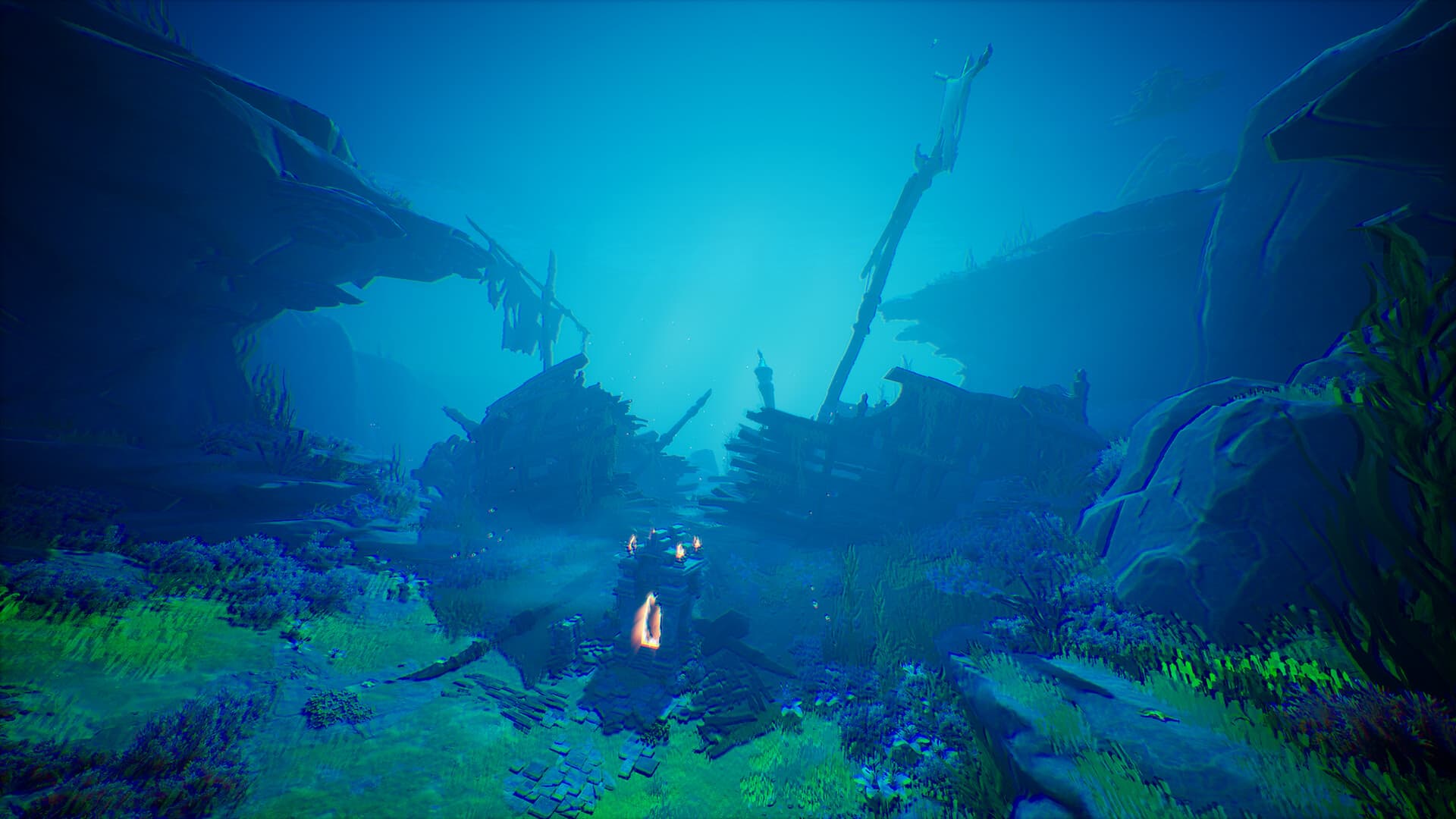
The checked store description supports five useful orientation categories: open meadows, watchtower cellars, seas, caves, and dungeons. These are descriptions of environments, not guaranteed menu labels or mutually exclusive regions. A cellar may be part of another place, and a sea reference does not prove unrestricted sailing. Treat them as a checklist of officially advertised spaces to recognize, not a numbered progression route.
The same source connects exploration with discoveries and ingredients, which gives the cooking guide a supported link to the world. It still does not show where a particular ingredient spawns or whether a point of interest refreshes. When recording first-hand locations, a reviewer should name the current build, capture the in-game label, note access conditions, and avoid converting one observed pickup into a guaranteed farming route. Repeatability matters more than a dense map.
What this map guide does not claim
No region names beyond Orbis, borders, route lines, coordinates, collectible totals, dungeon counts, or fast-travel points are verified here. The absence of those details does not mean the game lacks them; it means the approved source registry cannot support them yet. Story destinations are also excluded when naming them would reveal more than official opening copy. This lets new players get oriented without receiving a disguised walkthrough.
A proper update should separate world geography from quest order and resource routing. Geography asks what a place is called and how it connects; quest order asks when it becomes accessible; resource routing asks what can be found there and with what reliability. Combining all three from a single observation produces fragile advice. Until each layer is documented, the safest map is a partial orientation list with a visible checked date rather than a falsely complete atlas.
Officially described exploration spaces
- The Continent of Orbis
- Meadows
- Watchtower cellars
- Seas and caves
- Dungeons